Category Archives: Personal Brand

Igniting Purpose and Passion

Robert Fried

Robert Fried

Robert Fried drew on principles articulated in his previous book, A Marketing Plan for Life, linking a 12-point business marketing plan to clarify life purpose and interests.

He suggests applying these marketing principles to defining personal life purpose, value proposition, brand, and “elevator pitch”:

Define the business you’re in:

• What’s unfinished for me to experience?
• What’s unfinished for me to give?
• What’s unfinished for me to learn?
• What’s unfinished for me to heal?
—–
• What ignites my passion?
.When did I experience joy?
.When did I lose track of time?
.What were my childhood dreams?
.Who do I admire?
• What can I do best to serve others?
• What is my true purpose in life?
• What actions do I need to take to realize my true purpose?

Peter Montoya

Peter Montoya

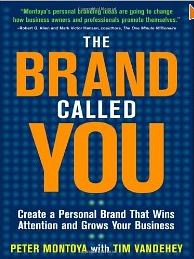
Fried cited recommendations from Peter Montoya and Tim Vandehey‘s book, The Brand Called You

What business am I in? What do I offer? Who am I?
What do I “stand for”? What are my core values?
What talents, strengths, character traits make me “unique”?

Tim Vandehey

Tim Vandehey

What is my specialty? How do I demonstrate this expertise?
How do I demonstrate the value? How to I communicate the benefit?
How do I “make a difference”?
How do I consistently communicate the alignment between my “offering” and its value?
What should people care? What is my cause beyond profit-making?
  • What are my demonstrable differences? “Features”? “Benefits”?

Opinions different on the optimal duration of responses to these value-clarifying questions, but one benchmark is “more than 25 words and fewer than 25 seconds.”

-*How do you clarify your purpose and mobilize your motivation?

LinkedIn Open Group – Leadership Think Tank
Twitter: @kathrynwelds
Google+
Facebook Notes:
Blog: – Kathryn Welds | Curated Research and Commentary

©Kathryn Welds

Business Influence as “Enchantment”

Guy Kawasaki

Guy Kawasaki

Guy Kawasaki, former Chief Evangelist at Apple, co-founder of Alltop.com, and author of Enchantment: The Art of Changing Hearts, Minds, and Actions, shared with Stanford University entrepreneurship students his conviction that business influence or “enchantment” is the foundation of successful entrepreneurship.

He maintains that business influence, or “charisma”, or persuasiveness, is based on the following characteristics and behaviors.

Likeability
• Smile, engaging the corner of eyes (“crow’s feet”!) of Duchene smile
• Handshake, drawing on University of Manchester research, for the optimal handshake to engage social connection
• Dress equal to audience, not more formally or more casually

Trustworthiness
• Must trust others in order to have others trust you
• “Believe that the world is a non-zero sum game”
• “Default to Yes: How can I help this person?”
• Create something (product, services) DICEE for the listener
o D-eep
o I-ntelligent
o C-ompleteness
o E-mpowering
o E-legant

In promoting products and services, he advises:

• Branding must be “short, sweet, swallowable”: “Mantra, not Mission Statement.”
[Kawasaki’s mantra is “Empower People”]

• Conduct pre-mortem to course-correct: Pretend that the company failed; use diagnosis to course-correct

• Launch product or service by telling a compelling story

• “Plant many seeds: The world has been inverted: LonelyBoy15 needs to embrace your product and he encourages his contacts to embrace your product.”

• “Put your prototype out there because you never know who your LonelyBoy15 will be.”

• Make salient points, things that matter to listeners

• Overcome resistance via:
o Social proof (“others are doing it, so it must be ok”)
o “Find a bright spot – don’t fix something for the nay-sayers; use what is working”
o Enchant all the influencers. “The higher you go, the thinner the air, and the more difficult to support intelligent life. If you deal with CXOs, you will deal with the dumbest people. Look for the influencer, in the middle or bottom.”

• Make something endure
o Don’t default to using money; cultivate genuine “belief” and “commitment”
o Invoke reciprocity –“pay it forward”.
When the person expresses gratitude, say, “I know you would do the same for me.”
Enable the reciprocity to “alleviate the guilt” the other person experiences
o Build an ecosystem beyond your product including all interested stakeholders, users

• Learn to speak
o Customize the introduction: verbally, photos
o Sell your idea
o 10-20-30 rule: 10 slides, 20 minutes, 30 point font

• Provide value via social media
o Information
o Insight, meaning

o Assistance
o Remove the speed bumps, and obstacles to adoption
o Engage within 24 hours – “fast, many, often: it is core to your existence”

• Enchant up
o “Drop everything and whatever the boss asks: Just do it”
o Prototype fast – exceed expectations, deliver early
o Deliver bad news early, with ways to correct

• Enchant down
o Master
o Autonomy: Empower action, convey trust of others’ judgment
o Purpose
o Never ask others to do what you wouldn’t: “Suck it up”

-*How do you use “enchantment” to influence others?

LinkedIn Open Group – The Executive Coach
Twitter: http://www.twitter.com/kathrynwelds
Google+
Facebook Notes:
Blog: – Kathryn Welds | Curated Research and Commentary

©Kathryn Welds

Questions to Answer in Personal Brand, “Elevator Pitch”, Resume

Colleen Aylward

Colleen Aylward

Colleen Aylward asserts that the following questions must be answered in your resume, “elevator pitch”, information interview, and online presence in her book, From Bedlam to Boardroom: How to get a derailed executive career back on track!

  • What is your [narrow, deep] expertise?
  • What are your strengths?

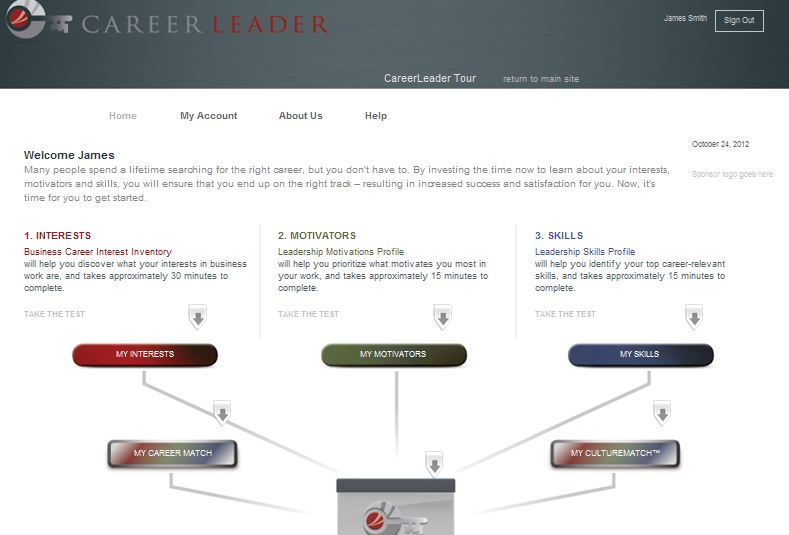
Career Leader by Harvard Business School professor Timothy Butler

  • What is your unique business differentiator?
  • What problems have you solved? How?
    [Note accomplishments and quantified impact, not responsibilities;
    Specify numbers, even if <10 – contrary to style rules]
  • How have you increased revenues, profit?
  • How have you improved processes?
  • How have you demonstrated creativity, innovation?
  • How have you reduced costs?

The last four items, indicated by *, are considered critical Key Performance Indicators that you must convey clearly, repeatedly, and memorably in all in-person and online activities.

-*What assessments and tools have you used to uncover your strengths, expertise and key differentiator?

LinkedIn Open Group – The Executive Coach
Twitter: @kathrynwelds
Google+
Facebook Notes:
Blog: – Kathryn Welds | Curated Research and Commentary

©Kathryn Welds

Self-Marketing: Improve your PVI: Sharpen Perception, Increase Visibility, Exert Influence

Joel Garfinkle

Joel Garfinkle

Joel Garfinkle emphasizes the importance of making your accomplishments and contributions visible to peers and executive: Self-marketing as a career development strategy in his book, Getting Ahead: Three Steps to Take Your Career to the Next Level

His extroverted persona encourages even the most introverted professional to speak up and showcase work contributions to guide career development instead of waiting to be noticed among a field of many able contributors.

-*What practices are effective and acceptable to increase professional visibility?

LinkedInOpen Group – Women in Technology (sponsored by EMC)
Twitter: @kathrynwelds
Google+
Facebook Notes:

©Kathryn Welds

3P Marketing to Define, Communicate Personal Brand

Rita Allen

Rita Allen

Rita B. Allen defines 3 Ps Marketing to create personal brand and effectively market yourself in an increasingly competitive, global employment landscape.

.Preparation:
-Conduct self-assessment and “due diligence”
-Define brand differentiators and subject matter expertise
-Articulate positioning statement (“elevator pitch”)
-Curate your professional network

.Packaging:
-Create your portfolio (resume, CV, performance reviews, awards, presentations, articles, references, testimonials, community and professional service, continuing education)
-Expand alliances with relevant thought leaders

.Presentation:
-Practice and refine delivery of your brand message
-Develop strong active listening, presentation, and interpersonal skills
-Continuously enhance your brand

This approach helps answer:
• What are your “value-adds”, your unique differentiators?
• What is your personal brand?
• How comfortable are you articulating your brand?
• How do you continuously enhance your brand?

-*What elements do you consider when communicating your personal brand?

LinkedIn Open Group – Social Media Marketing
Twitter: @kathrynwelds
Google+
Facebook Notes:

©Kathryn Welds